Venue selection sits at the centre of most Canadian wedding timelines. The space you book constrains or enables nearly every other decision — catering, guest count, music, parking, and ceremony format all follow from the venue choice. This guide covers the main venue categories available across Canadian provinces, practical factors to evaluate, and questions worth asking before committing to a deposit.
Venue Categories in Canada
Historic Estates and Inns
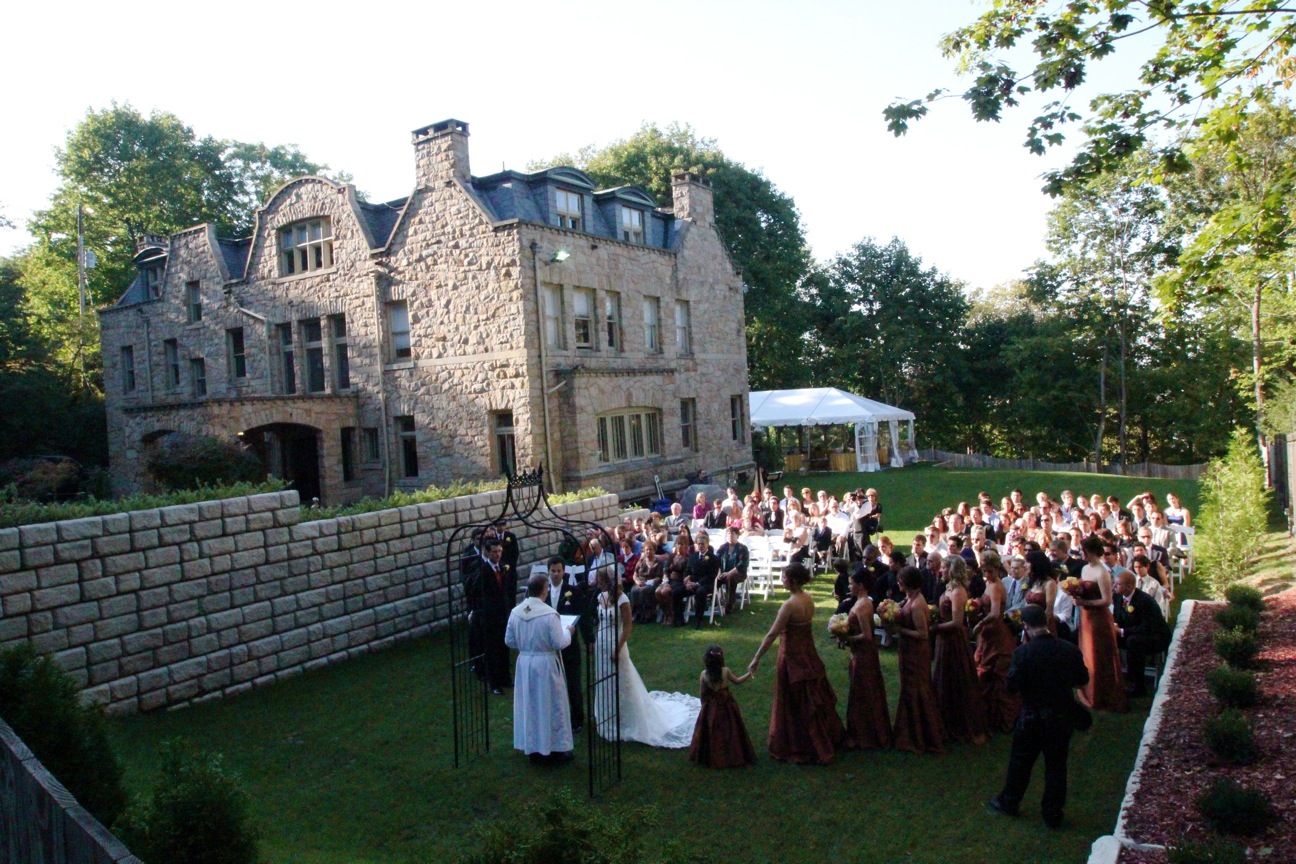
Older properties — some dating to the 19th century — are concentrated in Ontario's Niagara region, Quebec's Eastern Townships, and Nova Scotia's South Shore. They typically offer in-house catering with a fixed menu structure, which simplifies vendor coordination but limits customisation. Minimum spend thresholds are common. Booking windows at well-regarded properties often run 12 to 18 months in advance for summer dates.
Barn and Rural Venues
Converted agricultural properties are among the most requested venue types in Ontario and Alberta. They tend to allow outside caterers, which can reduce per-plate costs considerably. Key practical factors include access road quality (relevant for elderly guests and delivery vehicles), insect control for late summer evenings, and noise bylaws — rural properties in Ontario are subject to municipal noise ordinances that may restrict amplified music past certain hours depending on the township.
National and Provincial Parks
Parks Canada allows ceremonies in designated areas of several national parks, including Banff, Jasper, and Georgian Bay Islands. Permits are required and are issued through the relevant park office. Guest numbers are typically restricted to preserve site conditions. Parks Canada's fee schedule and permit process is outlined at pc.gc.ca.
British Columbia's provincial parks operate under a separate permit system administered by BC Parks. Rules vary significantly by park classification.
Urban and Hotel Venues
Hotel ballrooms and urban event spaces offer predictable logistics — climate control, built-in audiovisual, and accommodation blocks for out-of-town guests in a single location. They are typically more expensive per head than rural alternatives. Some hotels require exclusive use of their catering, which removes the option of sourcing an outside caterer.
Winery and Vineyard Venues
Ontario's Niagara Peninsula, British Columbia's Okanagan Valley, and Nova Scotia's Annapolis Valley each have established winery venues. Most require exclusive use of their wine service. Some are licensed for ceremonies on-site; others require a separate licensed officiant arrangement. The Canadian Vintners Association maintains a directory of member wineries at canadianvintners.com.
Capacity and Guest Count
Venues set occupancy limits based on fire code, not personal preference. The capacity listed in venue materials typically refers to the maximum standing count, not seated. Seated dinner capacity is usually 60–75% of the stated maximum. Confirm both figures directly with the venue coordinator before finalising your guest list.
In Ontario, occupancy limits for assembly occupancies are governed by the Ontario Building Code and the Fire Protection and Prevention Act. A venue's stated capacity should have a corresponding fire load certificate on file.
Contract Terms to Review
Before signing a venue contract, review the following areas carefully:
Venue Contract Checklist
- Deposit amount and refund conditions on cancellation or postponement
- Whether the venue has exclusivity on catering, bar service, or both
- Noise restrictions and end-time cutoffs for amplified sound
- Rain or inclement weather contingency for outdoor ceremonies
- Access times for setup and breakdown on the day
- Parking capacity and any overflow arrangements
- Vendor access restrictions (some venues restrict outside vendors)
- Liability insurance requirements for the couple or third-party vendors
- Permitted décor (some historic properties restrict open flame, adhesives on walls, etc.)
- Force majeure clause language — particularly relevant for outdoor events
Seasonal Availability
Most outdoor-capable venues in Canada operate from late May through early October. Interior venues are available year-round but may have limited dates during December due to corporate event demand. If your target date falls in a peak month (June, July, September), start venue conversations at least a year in advance.

Questions to Ask When Touring a Venue
A site visit is worth scheduling before making any deposit. These questions tend to surface issues not visible in venue marketing materials:
- What happens if the weather requires moving an outdoor ceremony indoors? Is there sufficient indoor capacity?
- Is there a bridal suite or private room for the wedding party before the ceremony?
- What is the parking situation for catering trucks and vendor vehicles on the day?
- Are there other events booked on the same date at the same property?
- What is the staffing arrangement — is there a dedicated on-site coordinator on the day?
- Can you do a tasting of the in-house catering menu before signing?
- Are there restrictions on decorations, particularly open candles or hanging items?